
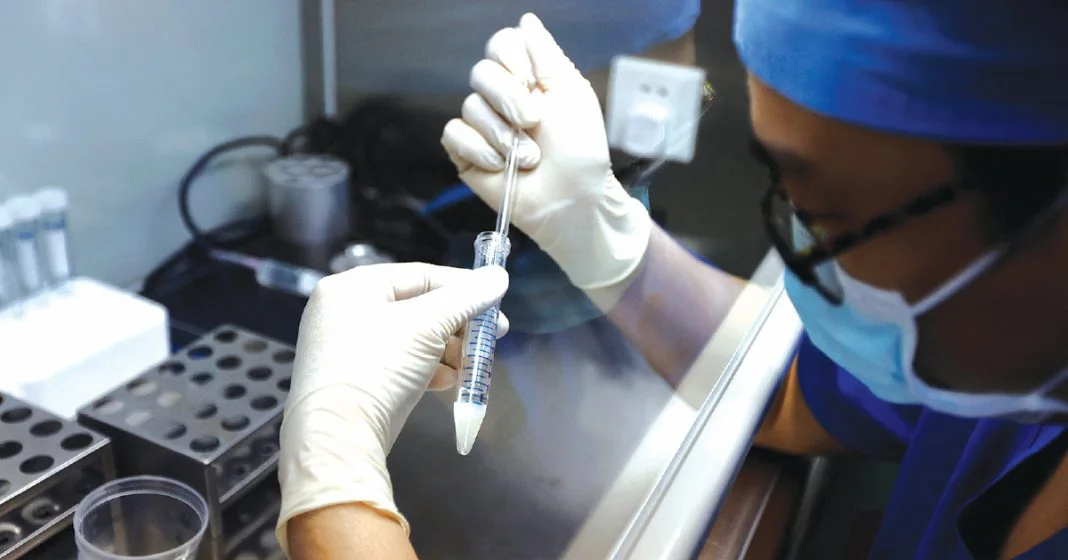
The government plans to add at least two infertility clinics nationwide every year as part of efforts to address Malaysia’s declining birth rate. Deputy Minister Lim Hui Ying told the Dewan Negara that the move aims to expand access to affordable subfertility services, particularly for married couples from lower-income groups, Malay Mail reported.
Currently, the National Population and Family Development Board (LPPKN) operates four main zonal fertility clinics in Penang (Northern Zone), Kuala Lumpur (Central Zone), Johor Bahru (Southern Zone) and Kuching (East Malaysia Zone). In Sabah, three LPPKN Nur Sejahtera Clinics in Kota Kinabalu, Sandakan and Tawau provide consultation and counselling services.
The expansion comes as Malaysia grapples with a fertility rate well below the replacement level. Penang recorded the country’s lowest fertility rate at 1.3 children per couple, below the national average of 1.7. The declining trend has prompted the Ministry of Women, Family and Community Development to step up its programmes.
Central to these efforts is the Fertility Treatment Assistance and Infertility Advocacy (Buai) Programme, which provides subsidies for intrauterine insemination (IUI) treatment at private fertility facilities through public-private partnerships. Since its inception in 2025, the programme has benefited 2,641 couples in Sabah alone, exceeding the initial target of about 1,700 couples, Malay Mail reported.
Budget 2026 allocated RM16.6 million to LPPKN for fertility support programmes and family-focused initiatives. The Buai Programme operates in four states: Penang, Kuala Lumpur, Johor and Sarawak. Eligible couples with a combined household income of less than RM10,000 can receive two cycles of IUI treatment free of charge.
Minister Datuk Seri Nancy Shukri acknowledged that economic pressures and work commitments were among the main factors behind the declining birth rate. “Families are expensive, and even having no family is expensive because of the economy,” she told reporters, Borneo Post reported. She said some women were reluctant to have larger families as they had to work while caring for their parents at home.
Nancy said the ministry, through LPPKN, had programmes to assist those who had difficulty conceiving, whether the issue involved men or women. “As a government, we cannot just sit idle. We have to encourage this and find ways to help those who have fertility problems,” she said. She also noted that the ministry was developing quality and professional caregivers to give parents confidence in childcare services.