
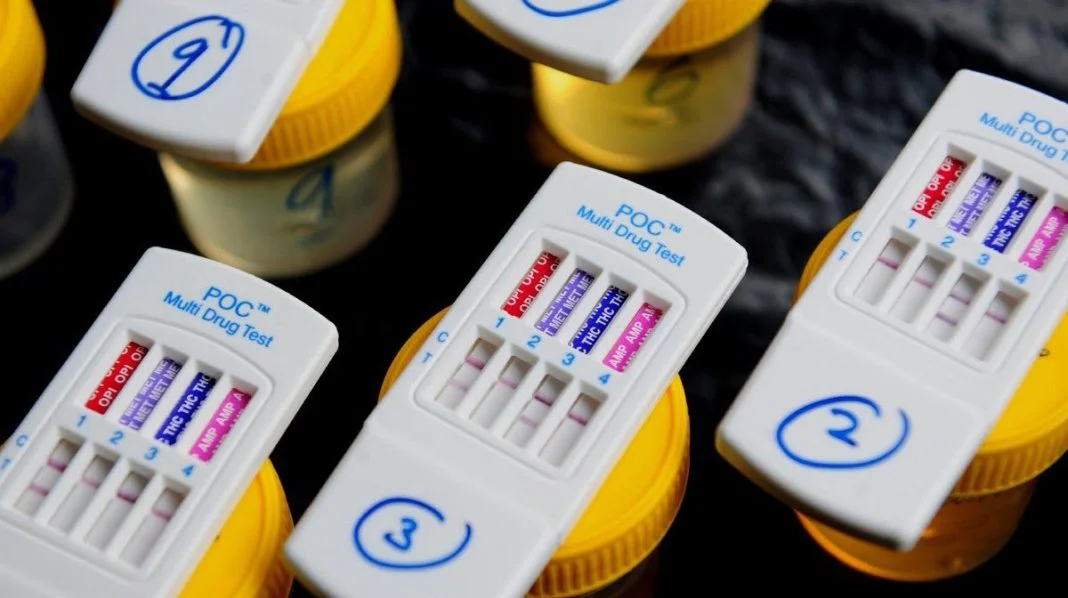
Malaysia cannot arrest its way out of its drug problem, an NST leader argued on 17 October, as official figures showed 152,856 positive urine tests for controlled drugs and other psychoactive substances last year.
The number comes from the Crime Statistics, Malaysia, 2026 report released by the Statistics Department. It marks a 2.6 per cent decline from the 157,014 cases recorded in 2024, a drop the leader called marginal against a total that remains high.
Within that section of the report, positive urine cases made up 58.3 per cent of the 262,088 unlawful acts involving controlled drugs or precursors. The report also logged 65,866 drug possession cases, 21,779 supply cases and 21,587 drug and substance dependants and misusers.
Arrests for positive urine cases fell 2.7 per cent to 152,638 people. Arrests of men dropped 3 per cent to 144,310, while arrests of women rose 3.9 per cent to 8,328.
The same release covered crime beyond drugs. Sexual assault offences numbered 4,562, comprising 3,347 physical and 1,215 non-physical cases, while 252 murder cases and 1,486 cybercrime cases were also logged, according to Kosmo!.
The leader said police must keep targeting drug syndicates, traffickers and suppliers, but that arrests and seizures alone cannot end the problem while demand stays high and new users keep emerging.
Prevention has to start early, it added, with schools, families and communities teaching young people about the dangers of drug abuse through campaigns that are sustained and meaningful rather than token exercises.
Rehabilitation carries equal weight. The leader said addiction cannot be answered with shame and punishment alone, and called for treatment, counselling and reintegration into society, with more emphasis on preventing relapse and helping people in recovery rebuild their lives. Recognising the value of second chances belongs in the same approach.
A wider response, the leader argued, would examine why people turn to drugs, identify vulnerable groups and strengthen cooperation between enforcement agencies, healthcare providers and community organisations. It said success should be measured by lasting reductions in drug abuse, fewer repeat offences and lower relapse rates rather than by the number of arrests.
Recent high-profile cross-border drug-smuggling cases raise questions about whether enforcement agencies are keeping pace with the changing tactics of trafficking syndicates. The leader also asked how Malaysia compares with its regional neighbours once population size is taken into account, and whether its position at the centre of Southeast Asia makes the country a convenient transit point for illicit drugs.