
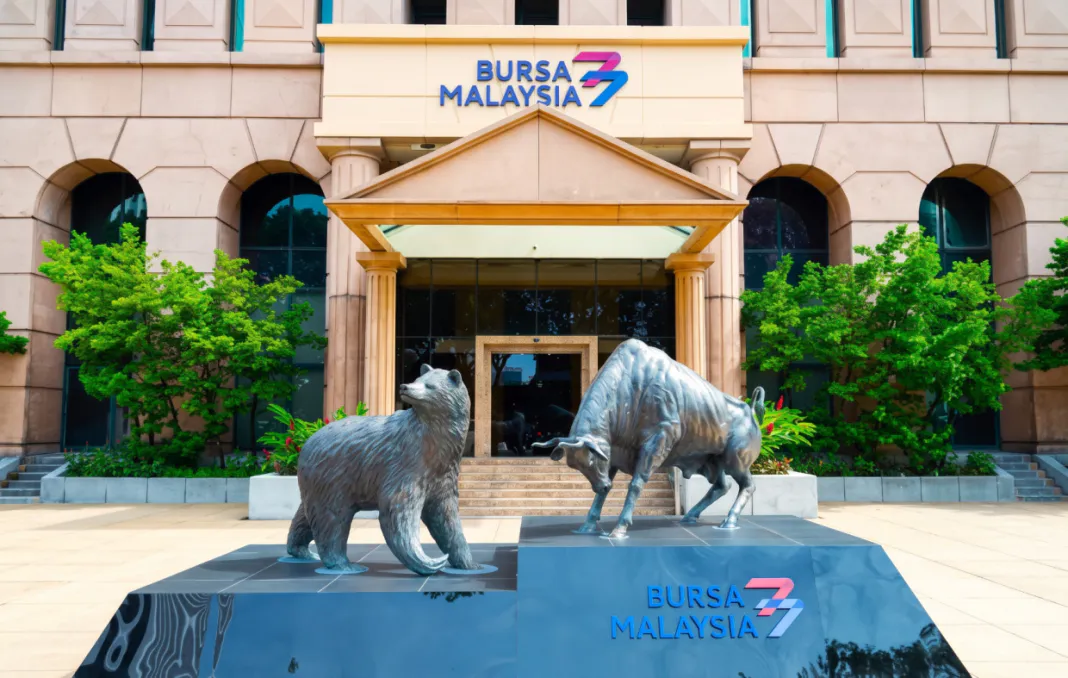
Penang is home to more than 30 local automated test equipment (ATE) companies, at least 10 of which are listed on Bursa Malaysia with a combined market capitalisation of about RM40 billion, The Star reported. Chief Minister Chow Kon Yeow said the numbers reflect the growing capabilities of homegrown ATE companies and their rising role in the national semiconductor and advanced manufacturing supply chain.
He said the industry in the state is further supported by a network of more than 80 partners, including precision engineering firms, which form an important backbone of the sector.
“This shows that local ATE companies are no longer merely supporting players but have the capabilities and potential to expand and compete at a higher level,” he told reporters in George Town on 13 Nov.
Chow spoke after the Penang ATE Campus memorandum of understanding exchange ceremony and MedTech collaboration workshop at the Penang Skills Development Centre (PSDC). PSDC chief executive officer Datuk Dr Hari Narayanan and InvestPenang chief executive officer Datuk Seri Loo Lee Lian were also present.
He said the machinery and equipment sector has consistently ranked among the top three contributors to Penang’s approved manufacturing investments since 2020, recording RM30 billion from 2020 to the first half of 2026. That amount represents more than 40 per cent of Malaysia’s total approved manufacturing investments in the sector over the same period.
Under the National Semiconductor Strategy, the target is to develop 10 local companies with annual revenue above US$1 billion and another 100 with at least RM1 billion. Four local ATE companies in Penang already exceed RM500 million in annual revenue and are expected to push towards the RM1 billion mark. Seventeen technology collaborators have committed to back a shared ATE laboratory at PSDC across four stages of product development, with the facility due to begin operations in the first quarter of 2027, Citizens Journal wrote.
Usage fees at the laboratory may be subsidised, reduced or waived depending on a company’s size and capabilities, Hari said. Loo said access to costly design software, which can run past RM2 million, would be offered on a pay-per-use basis so smaller firms can bid for work without heavy upfront spending.
“Our strategy is to develop the industry ecosystem comprehensively, particularly by helping small and medium enterprises (SMEs) grow into local champion companies,” Chow said.
“We hope that one day these companies will be able to grow into multinational corporations (MNCs) or companies with RM1 billion in revenue. We will start with the RM1 billion target first,” he added.
At the event, Boston Scientific signed a memorandum of understanding with InvestPenang to start a pilot project under the Penang ATE Campus initiative, the 12th such agreement under the programme. Chow also urged medical technology players to work with local ATE companies on collaboration, co-development and technology localisation.