
Penang is turning to Japan for artificial intelligence that could ease its worsening traffic congestion, with smart traffic lights, real-time monitoring and parking guidance among the tools under study, The Star reported on 19 Nov.
State environment committee chairman Datuk Seri Sundarajoo Somu said the state government was looking at leveraging Japanese expertise. The technology could help motorists find available parking spaces instead of driving around searching for a spot, he said, while letting the authorities watch traffic conditions and adjust signals in real time.
“If we can monitor traffic flow and congestion, we will also be able to manage our traffic lights more effectively,” he told reporters after the Penang Green Summit 2026 in Gelugor.
The Penang Island City Council (MBPP) is also exploring AI to improve traffic monitoring and dispersal, he added.
The interest follows a memorandum of understanding between the Penang Green Council (PGC), which Sundarajoo chairs, and the Global Environment Centre in Osaka, signed as the two-day summit opened. Coverage by The Vibes described the tie-up as the state’s first step in applying AI to sustainability as climate pressure builds, with Sundarajoo saying the technology could also go into the traffic light system.
“Japan is rather advanced in sustainable initiatives. We can learn from them, especially on how to incorporate AI into measures to fight climate change,” he said.
Japan’s AI technology sits at a different level from many other countries, Sundarajoo said, and Penang hopes to bring some of it in. The agreement also covers integrated waste management, environmental education and joint research.
The state is also pressing ahead with its phase-out of single-use plastics. Sundarajoo said the summit exhibition showed that alternatives exist, including biodegradable products that could replace conventional plastics, and that Penang wants the event held annually to widen adoption.
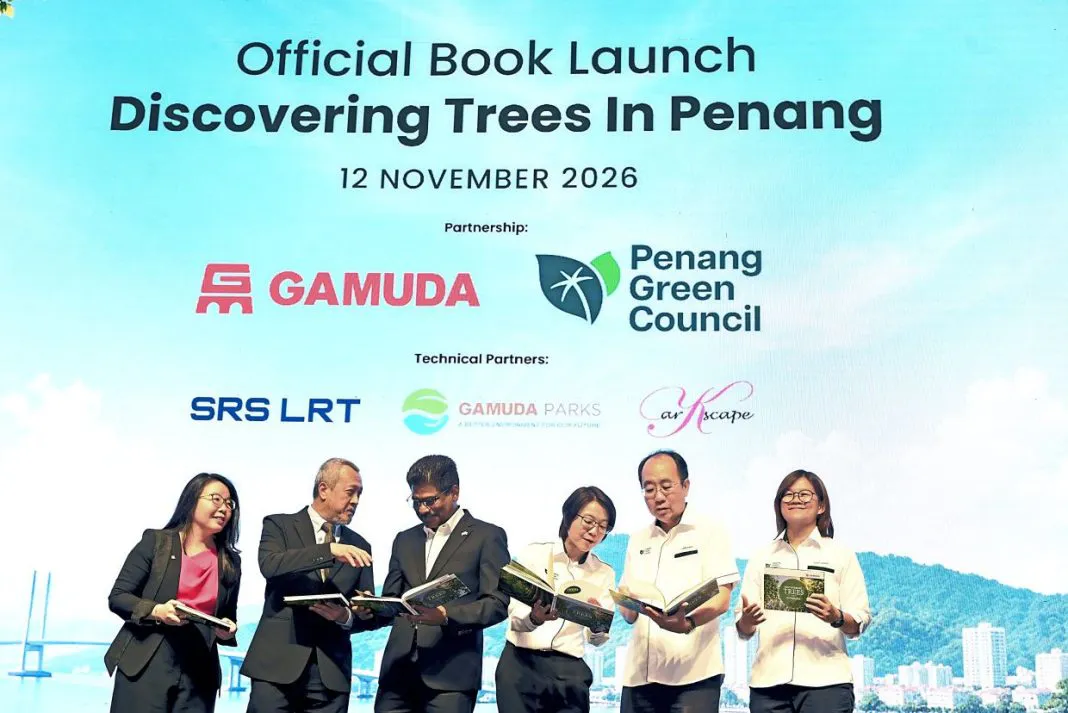
In his opening address, he said Penang’s sustainability work had moved from commitment to action and was now entering a phase of accountability. He launched Alliance Bank Malaysia Bhd’s state-level environmental, social and governance report, which surveys how Penang companies read ESG expectations and the hurdles they face in acting on them, and “Buku Pokok”, a book on the island’s tree canopy produced with Gamuda Bhd’s SRS Consortium, ArcScape and PGC.
Present at the book launch were SRS Consortium project director Datuk Adil Putra Ahmad and Gamuda chief sustainability officer Ong Jee Lian.
Entrepreneur Development and Cooperatives Minister Steven Sim, in a recorded address, said AI adoption must translate into practical gains for micro, small and medium enterprises, from lower energy use and less waste to lower operating costs. He proposed an approach built on intelligence, infrastructure and institutions, saying Malaysians need the skills to use AI well and the country needs the right laws and safeguards.
The summit gathered industry players, technology providers and sustainability advocates, with the PGC team led by chief executive officer Josephine Tan organising it. Neither Sundarajoo nor the council gave a timeline, budget or pilot location for the traffic trials.