
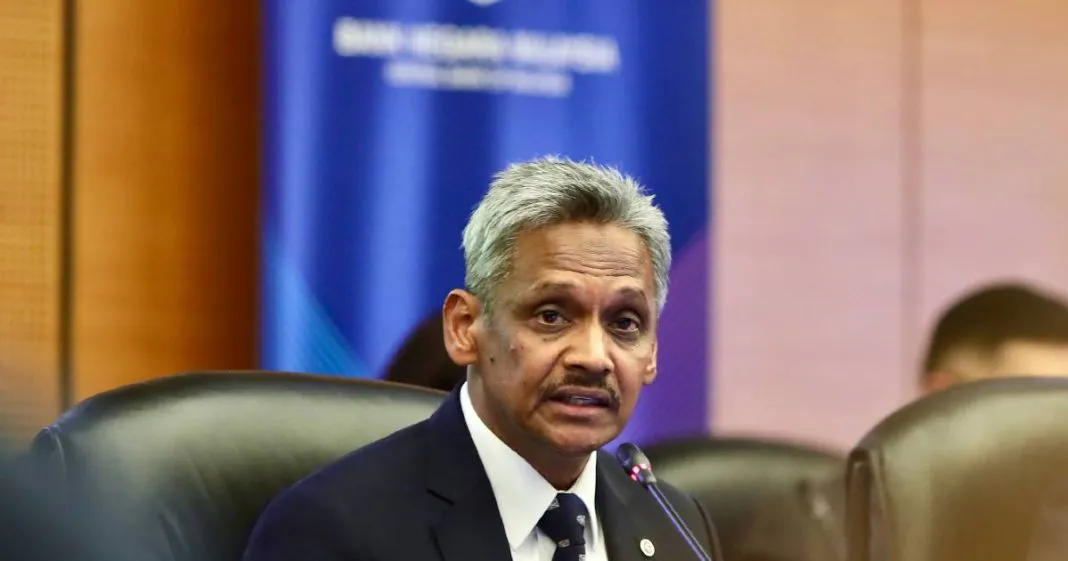
Cyber incidents and banking outages are likely to become more common as the financial sector grows more digital and interconnected, Bank Negara Malaysia has warned. Governor Datuk Seri Abdul Rasheed Ghaffour said banks must be able to detect, respond to and recover from such incidents, NST reported.
Speaking at a press conference on Malaysia’s third-quarter 2026 gross domestic product performance, Abdul Rasheed said financial institutions have invested heavily in cybersecurity defences as threats evolve, and that the central bank is strengthening supervision and its Risk Management in Technology (RMiT) rules in step with those threats.
“One thing we want to highlight is that as we move into an increasingly digital and interconnected world, we must anticipate that cyber incidents and even banking outages may happen in our daily lives. It’s something that I think we have to be able to live with,” he said.
The warning follows a run of outages this month. On 13 November, Maybank, CIMB, RHB, Alliance Bank, AmBank, Bank Muamalat and Affin Bank reported delays to email replies during a global Microsoft 365 outage, while digital banking and branch services carried on, according to The Star.
Earlier in the month, Bank Rakyat attributed an outage at its corporate website to a technical problem at a third-party service provider and said customer funds and data were unaffected. In a Malay Mail report, technology news portal Lowyat.NET said several of its banking webpages, including the iRakyat login page, had been defaced in a suspected cyberattack.
Bank Negara’s annual report for 2025 shows the regulator already penalises outages. It acted against nine banks that failed to meet expectations on unplanned system downtime, imposing penalties totalling RM5.6 million, and flagged concentration risk from third-party technology providers, Bank Negara Malaysia said in the report.
The central bank works with the National Cyber Security Agency (NACSA) to strengthen the financial sector’s cyber preparedness and operational readiness, Abdul Rasheed said. He described cybersecurity as a shared responsibility across regulators, financial institutions and consumers.
Banks must keep investing in their own defences and stay watchful, while customers should be alert to scams and impersonation attempts circulated through social media and email, he said. Information should be checked against official sources before it is shared or acted on.
He pointed to the central bank’s 3S approach of Spot, Stop and Share, which asks people to question suspicious information, block the sender and warn others. Bank Negara did not say how far it will go in its next revision of the technology risk rules, or when the changes take effect.