
Historical paintings, botanical specimens and old maps could soon receive heritage recognition in Penang under proposed amendments to the Penang State Heritage Enactment 2011. Wong Hon Wai, state tourism and creative economy committee chairman, said a new heritage objects category in the revised statute would widen its reach, The Star reported on 10 Nov.
At present, the state can recognise heritage sites and intangible cultural heritage, but not heritage objects such as paintings and botanical specimens, Wong told StarMetro. The intent is to expand the heritage inventory and strengthen protection of those items.
Among the collections identified as having historical value are 19th-century paintings by Captain Robert Smith that date back to 1818, held by the Penang State Museum Board. Other candidates are 19th-century botanical illustrations by Charles Curtis under the Penang Botanic Gardens Department, old maps held by state agencies and old coins.
"The amendment is not about listing specific items immediately, but about creating a legal framework that allows these objects to be considered for state heritage recognition," he said in a phone interview.
The number of eligible paintings and specimens has not been fixed. State recognition would clear the way for the holder of an item to apply for national heritage status.
Penang gazetted 63 heritage items in 2026, Buletin Mutiara, the Penang government news portal, reported on 4 Nov. George Town World Heritage Incorporated separately allocated RM17.05 million to building repair and conservation incentives covering 51 Category I and 299 Category II heritage buildings, plus RM420,000 for measured drawings of 35 Category I buildings.
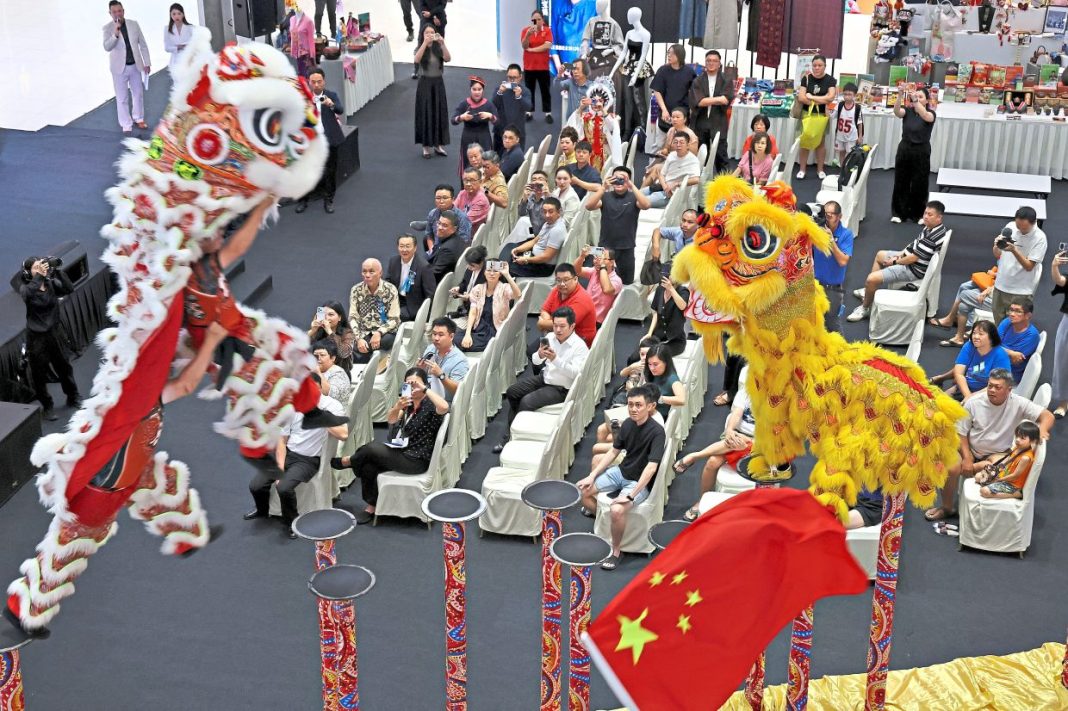
Speaking at the opening of the 2026 China (Guangxi)-Malaysia Cultural Exchange Series at Sunshine Central Penang, Wong said the 63 items cover intangible heritage, sites and food.
The Hungry Ghost Festival, known as Phor Thor in Hokkien, was recognised as intangible heritage. Wong said Penang was the first in Malaysia, and reportedly in South-East Asia, to list the festival. Quanzhou and Hong Kong have recognised related traditions.
Other listed items include the Penang Hokkien dialect, Dondang Sayang and dishes such as Hokkien mee, yong tau foo and char koay teow.
Chinese Consul-General in Penang Zhou Youbin said Malaysia and China are jointly seeking lion dance admission to the Unesco Intangible Cultural Heritage List. Nominations for the lion dance and for the Chingay parade were submitted in March 2025 and could be considered by the Unesco committee as early as December 2027, Buletin Mutiara reported.
The programme, themed Beauty of Intangible Heritage, featured a lion dance, traditional puppet theatre, Cantonese opera and an exhibition. It was organised by Guangxi Daily under the guidance of the Information Office of the Guangxi Zhuang Autonomous Region People’s Government to strengthen ties between the two countries.
The Guangxi delegation brought Zhuang brocade weaving, shell carving and Liubao tea, and visited Penang heritage communities to learn about Chingay, Teochew iron-rod puppetry, the lion dance and kebaya.
Malaysia-China Chamber of Commerce Penang branch adviser Datuk Hwang Thean Long said the chamber would continue to promote trade, cultural and educational exchanges between the two countries.
Also present were Air Itam assemblyman Joseph Ng, MCCC Penang chairman Datuk Tan Lye Hock and Guangxi Media Group ICH Dreamy Countryside representative Zeng Junfeng. No item has been put forward for heritage recognition yet.