
Dengue cases in Malaysia have surged to 58,079 as of Epidemiological Week 32 this year, a 56.2 per cent jump from the same period last year, with 55 deaths reported from dengue-related complications, the Health Ministry said. The ministry described the national situation as “still concerning” even as targeted measures in the Klang Valley showed positive results.
The warning came as an NST report highlighted that 42,848 cases were recorded between 1 January and 9 July alone, a 34.8 per cent increase from 31,790 during the same period in 2025. Deaths rose 78.9 per cent, from 19 to 34. The Straits Times reported that the DENV-3 serotype is now the dominant circulating strain in Malaysia, raising concerns about increased susceptibility among those previously exposed to other strains.
Health Minister Dzulkefly Ahmad said Malaysia ranked third in Asean for dengue cases in 2026, revealing that the serotype shift had contributed to the rise. The ministry identified erratic weather, alternating rainfall and heat, as a key factor, alongside the presence of numerous stagnant water containers in residential areas where more than 70 per cent of Aedes breeding sites are found.
The critical phase of dengue is where many patients face danger without realising it. Warning signs of severe dengue often appear after the fever has subsided, not during the peak of illness. Immediate medical attention should be sought if a patient develops severe or worsening abdominal pain, persistent vomiting, bleeding from the nose or gums, blood in vomit or stool, rapid breathing, restlessness, pale or cold skin, or excessive thirst.
Severe dengue can lead to severe bleeding, organ impairment or shock, and hospital treatment may be required. “The concern is not that DENV-3 is more infectious, but that a major serotype shift can increase the number of people who are susceptible, especially if the population has been more exposed to other serotypes previously,” The Straits Times quoted an expert as saying.
There is no specific antiviral treatment for dengue. The World Health Organisation recommends paracetamol to reduce fever and relieve pain. Aspirin, ibuprofen and other non-steroidal anti-inflammatory drugs should be avoided as they increase the risk of bleeding. Patients should follow the dosage on the label or as prescribed by a healthcare professional and avoid taking more than one paracetamol-containing medicine at the same time.
Patients assessed by a doctor and advised to recover at home should rest, drink plenty of fluids and watch for warning signs. Water, oral rehydration solutions and other suitable fluids help replace what is lost through fever and vomiting. Reduced urination, a dry mouth, dizziness or unusual drowsiness may signal dehydration.
Preventing dengue requires weekly action. Aedes mosquitoes breed in small amounts of stagnant water in flowerpot trays, buckets, discarded containers, clogged drains and water storage vessels. Households can lower risk by emptying and scrubbing water-holding containers at least once a week, covering water storage securely, disposing of rubbish, clearing blocked drains, and applying mosquito repellent containing DEET, picaridin or IR3535.
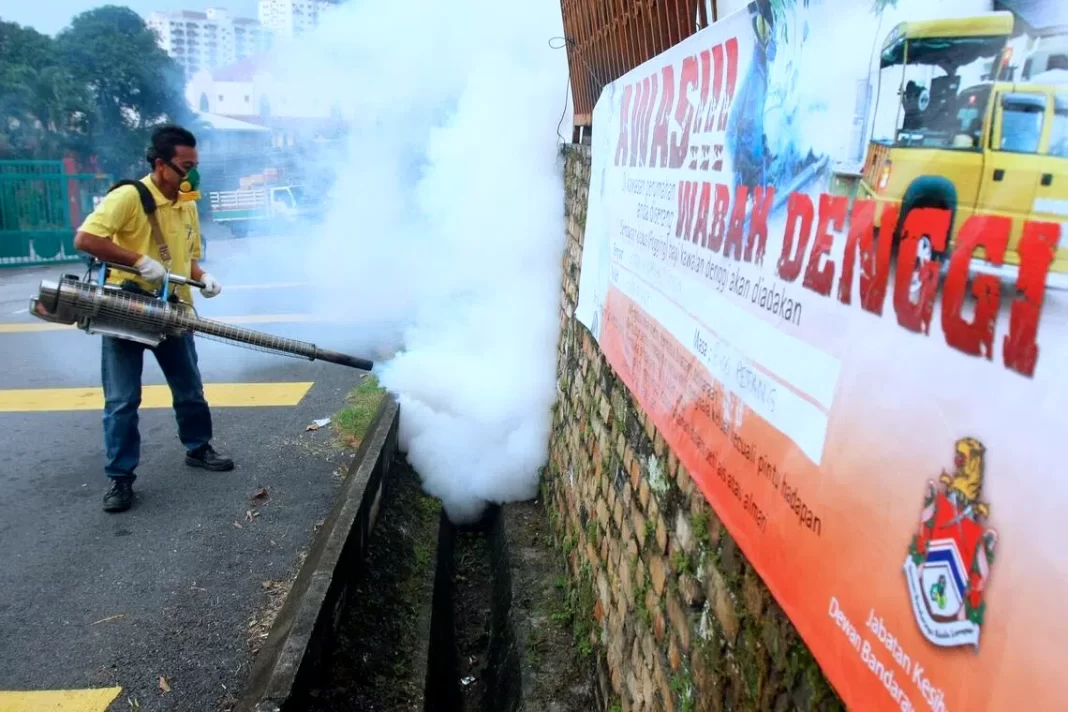
The Health Ministry urged the public to spend at least 10 minutes each week checking for and eliminating Aedes breeding sites. Bernama reported that the ministry intensified targeted prevention and control measures, including early case detection, vector control and outbreak management, after the initial rise concentrated in the Klang Valley. “The public is urged to spend at least 10 minutes each week checking for and eliminating Aedes breeding sites in and around their homes,” the ministry said.