
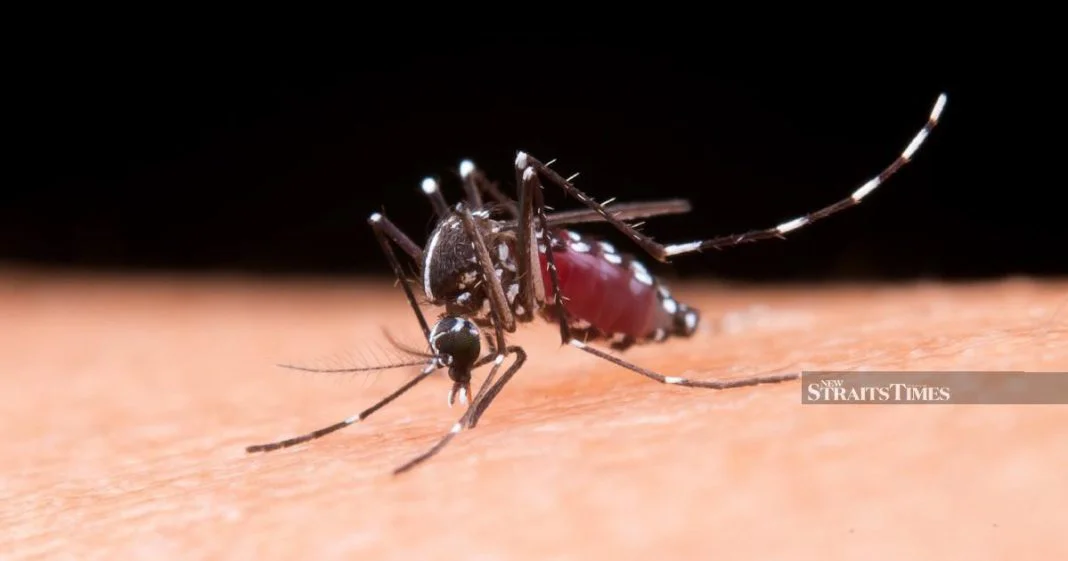
Private hospitals across Malaysia are reporting a rise in dengue admissions this year, mirroring the upward trend seen in public healthcare facilities. NST reported that Association of Private Hospitals Malaysia (APHM) president Datuk Dr Kuljit Singh said private hospitals continued to have sufficient capacity to manage the increased caseload.
“Despite this rise in dengue admissions, private hospitals maintain robust capacity, remain fully equipped to manage patient care, and are supported by specialised medical teams experienced in the management of dengue and its complications,” Kuljit said in a statement.
He said private hospitals were working closely with public hospitals to ensure coordination and mutual support if additional assistance was required. All dengue cases treated at private hospitals were promptly reported to the relevant local health departments, in line with regulatory requirements.
The increase in private hospital admissions comes as national dengue numbers have already surpassed last year’s total. According to The Star, cases reached 55,855 as of Tuesday, slightly exceeding the 55,399 recorded in all of 2025.
Health experts warned that the El Nino weather pattern and the dominant DENV-3 strain could trigger further severe infections. Public healthcare specialist Prof Dr Sharifa Ezat Wan Puteh of Universiti Kebangsaan Malaysia said dengue was associated with the El Nino-Southern Oscillation and cases were expected to spike.
Prof Sharifa Ezat said particular attention was being focused on DENV-3, which has emerged as the dominant serotype in Malaysia. She said previous infections with strains such as DENV-1 and DENV-2 did not provide protection against DENV-3, meaning those previously infected remained vulnerable.
Universiti Malaya virologist Dr Sazaly Abu Bakar warned that previous DENV-2 infection could worsen a subsequent DENV-3 infection, increasing the risk of severe dengue. “If not treated early and appropriately, it would result in high mortality,” he said.
While cases were expected to continue rising, Dr Sazaly said they were unlikely to reach the more than 120,000 recorded annually in 2023 and 2024, though such levels could emerge next year or the following year.
Kuljit urged the public to remain vigilant by eliminating potential mosquito breeding sites at homes and workplaces. He said early consultation at a healthcare facility was critical for anyone experiencing symptoms including high fever, severe headache, joint and muscle pain, or rash.