
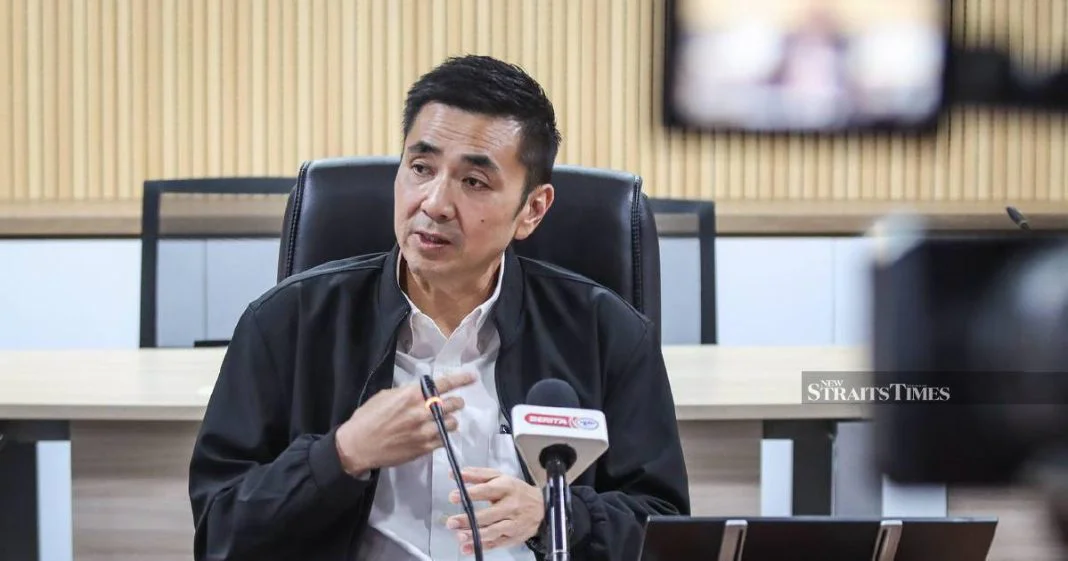
Penang’s amended Private Short-term Accommodation (Local Authorities of Penang) By-laws 2026 will take effect on Jan 1, 2027, with annual licence fees restructured so that compliance costs less for most operators.
State Local Government Committee chairman H’ng Mooi Lye said the amendments followed feedback from industry players. The changes aim to establish a more practical regulatory framework while safeguarding public safety and residents’ well-being.
Under the revised provisions, operators pay RM500 a unit each year, replacing the previous RM1,000 fee for units with up to three rooms, according to New Straits Times. The annual fee then scales with room count: RM400 for one room, RM600 for two, RM800 for three, RM1,000 for four and RM1,800 for premises with five to 10 rooms.
The maximum number of rooms allowed at a private lodging premises has also risen from five to 10, Bernama noted, subject to conditions set by the local authorities. H’ng said the new structure lowers charges for premises with one to four rooms while keeping rates reasonable against the scale of operation.
The amendments also clarify the definition of private short-term accommodation to separate such premises from hotels, based on their nature, use and actual operating arrangements. The state said this prevents hotel operators from reclassifying their premises as short-term rentals to bypass hotel licensing requirements.
H’ng said the state executive council approved the changes on Oct 19, and the amendments are now in the gazettement process. Both local authorities, the Penang Island City Council (MBPP) and the Seberang Perai City Council (MBSP), will refine their guidelines and operating procedures ahead of the Jan 1 start.
Operators will also have to comply with safety conditions, including public liability insurance, so that short-term rental premises are properly monitored and managed.
On the island, operators running Airbnb-style accommodation in landed residential areas under MBPP will get a three-year grace period before they must meet planning requirements for a change of use from residential to commercial. H’ng said operators must also obtain the agreement of neighbouring properties, subject to the requirements of the relevant local authority. The grace period lets operators finish rental agreements already signed, some running two years or longer.
Local authorities will act against operators who fail to meet licensing requirements once the amended by-laws take effect. Compounds of up to RM1,000 can be imposed, and further legal action, including prosecution and seizure permitted by law, can follow. H’ng said the aim of the by-laws is not to issue compounds but to ensure short-term rental operations are monitored and regulated.
The original by-laws came into force on Aug 1, giving the two city councils clearer powers to regulate private short-term accommodation, including Airbnb-type operations. Operators were given a two-month grace period to apply for licences before enforcement began.
Penang Malaysia Homestay/Short-Stay Operators Association chairman Lydia Tan welcomed the revised framework, saying the lower fees ease operators’ financial burden and make legal compliance more achievable. She said earlier concerns centred on the combined burden of an annual fee of RM1,800 a unit and a licensing fee of RM1,000 or more.
Tan said the revision was a positive outcome of discussions with the state government, and that rules should encourage operators to enter the legal framework rather than make compliance commercially unviable. She urged the state to consider a multi-unit licensing arrangement, where one licence covers several properties managed by the same registered operator, and to set up a short-term rental industry working committee with operators, government representatives and relevant authorities.