
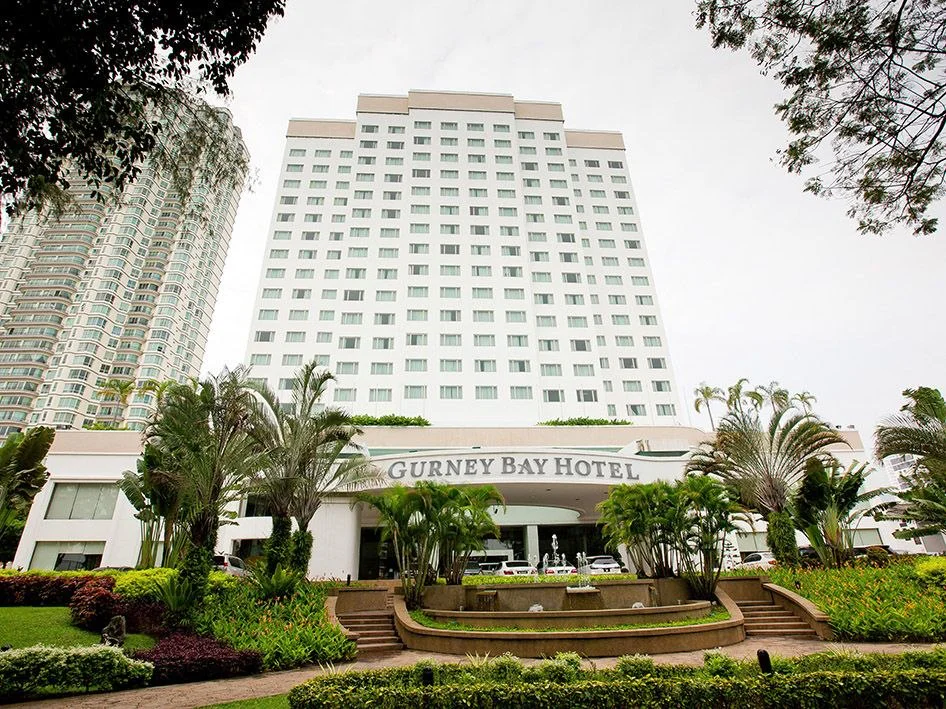
PARKROYAL Gurney Bay Penang will be revamped as part of a regional programme that lines up 10 new-build and renovation projects across Southeast Asia for 2027. The Penang property appears on the list with PARKROYAL Serviced Suites Kuala Lumpur and PARKROYAL COLLECTION Pickering, Singapore.
Pan Pacific Hotels Group said it has newly built, redesigned or substantially renovated more than half its portfolio since 2020. The programme, called Version 2.0, now moves to its next stage with the 2027 batch.
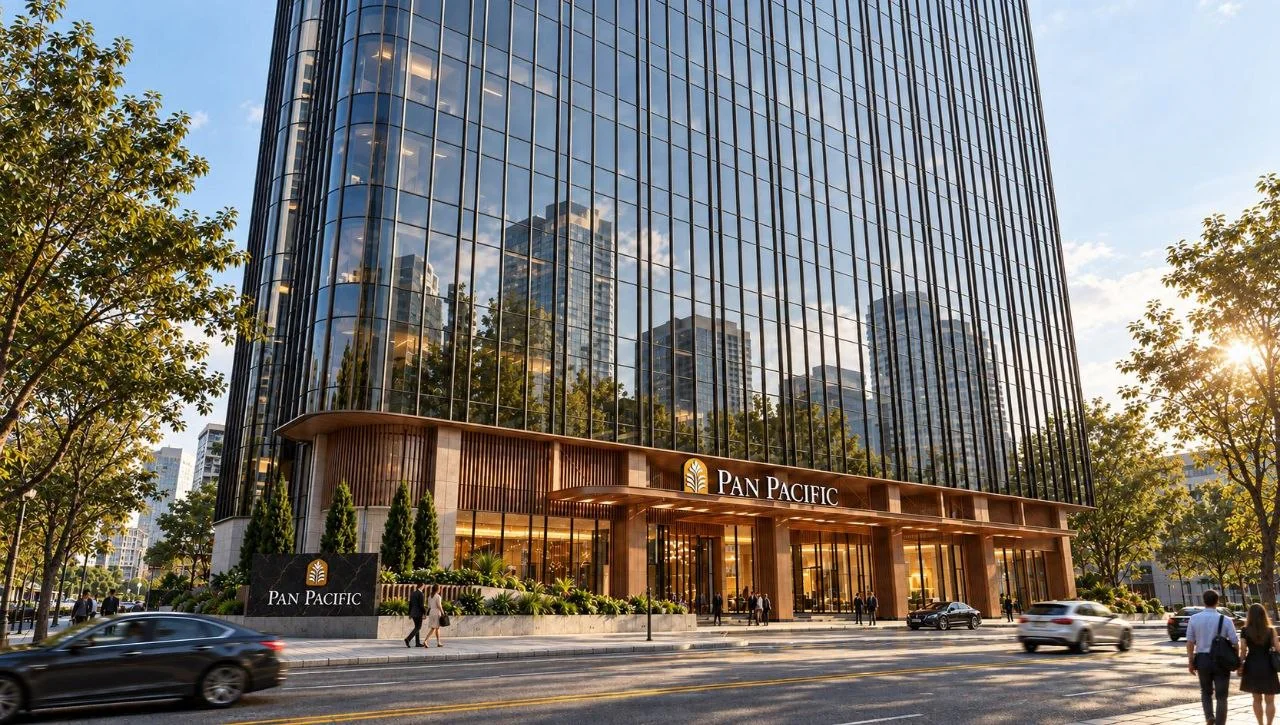
The 10 projects cover luxury, upscale and serviced suites: Pan Pacific Phnom Penh, PARKROYAL Siem Reap, Siam Pan Pacific Bangkok, Pan Pacific Serviced Suites Thonglor in Bangkok, PARKROYAL Hanoi, PARKROYAL Serviced Suites Manila Bay, PARKROYAL Jakarta, PARKROYAL Serviced Suites Kuala Lumpur, PARKROYAL Gurney Bay Penang, and PARKROYAL COLLECTION Pickering, Singapore.
Version 2.0 started with Pan Pacific London and PARKROYAL COLLECTION Marina Bay Singapore. It has since reached properties in Singapore, Kuala Lumpur, Penang, Jakarta, Hanoi, Tokyo, Kyoto, Melbourne, Perth and Sydney.
The programme brings in international architects and designers, award-winning biophilic and wellbeing-led design, environmental infrastructure and technology. The group said the changes reach how hotels look and how they run. Architect Yabu Pushelberg designed Pan Pacific London around contemporary luxury, wellbeing and the hotel’s link to its City of London setting. Pan Pacific Orchard, Singapore opened in 2023 and has since won recognition from the Prix Versailles and the Council on Tall Buildings and Urban Habitat.
The case for change is demographic as well as economic. Gen Z and millennials are projected to make up 74% of the global workforce by 2030. Deloitte research published in 2025, covering nearly 23,000 people in 44 countries, found these groups define success through money, meaning and wellbeing. About nine in 10 said purpose matters to their job satisfaction and wellbeing.
Work and leisure are also mixing. In Asia Pacific, 76% of business travellers surveyed by Agoda plan to combine business with leisure. The figure reaches 92% in Thailand and 86% in Vietnam.
“We do not want one brand to be everything to everyone,” said Mr Choe Peng Sum, Chief Executive Officer, Pan Pacific Hotels Group. “Our ambition is to have a portfolio where each brand has a clear reason to exist, but where the Group as a whole has the operating breadth to capture different forms of demand.”
Luxury travellers are changing too. A survey of affluent Asia Pacific travellers found 72% expect to spend more on luxury travel. Ninety per cent said wellness influences their booking decisions, up from 80% a year earlier.
Booking.com found that 93% of global travellers surveyed want to make greener travel choices, and 58% said they already change their behaviour to do so. An Oracle Hospitality and Skift study of more than 5,000 consumers and 600 hotel executives found 53.6% of travellers want contactless check-in and check-out to stay, while another 39.3% want mobile guest services. Guests do not want less hospitality, the study found. They want routine friction removed so service can be more personal.
“The market has moved, and we have to move with it,” said Choe. “People are living differently, and therefore they are travelling differently.” The boundaries between work and leisure, business and personal time, travel and wellbeing are becoming more fluid, and Version 2.0 is the group’s answer: better design, stronger wellbeing propositions, more responsible infrastructure, technology that removes friction and brands with a clearer point of view.
The brands now split by purpose. Pan Pacific is the luxury label, and Siam Pan Pacific Bangkok and Pan Pacific Phnom Penh carry it into two new Southeast Asian markets. PARKROYAL grows its upscale offer through Hanoi, Penang and Jakarta, while PARKROYAL COLLECTION continues to build on nature and eco-wellness, with Pickering due for work. The serviced-suite portfolio targets longer stays and trips that mix work with leisure.
Southeast Asia welcomed an estimated 144 million international visitors in 2025, up 13.4% from the year before, and the sector supports about 42.5 million tourism jobs. The group said the region’s scale and growth are why it is speeding up investment there.
“Version 2.0 is not about predicting the future perfectly,” said Choe. “It is about giving ourselves the capabilities, the brands and the portfolio to respond to what today’s guests and owners expect.”
More than half the portfolio is done, and 10 more projects are due in 2027.