
The Domestic Trade and Cost of Living Ministry has widened its investigation into alleged fuel quality problems in Penang, with enforcement officers now examining how fuel is handled before it reaches petrol stations and motorists.
The state ministry has received 33 complaints to date, up from 21 previously, and all of them have been acted on by investigation officers, NST reported.
The complaints involve 30 petrol stations. Eight fuel samples have been drawn from stations, affected vehicles and workshops belonging to the first complainants, then sent to the Chemistry Department for analysis, according to The Star.
The claims first surfaced on Sunday, when several motorists wrote on social media that their vehicles failed to start or developed engine trouble after refuelling in Penang. Some said the vehicles needed repairs and alleged the RON95 had been contaminated with water.
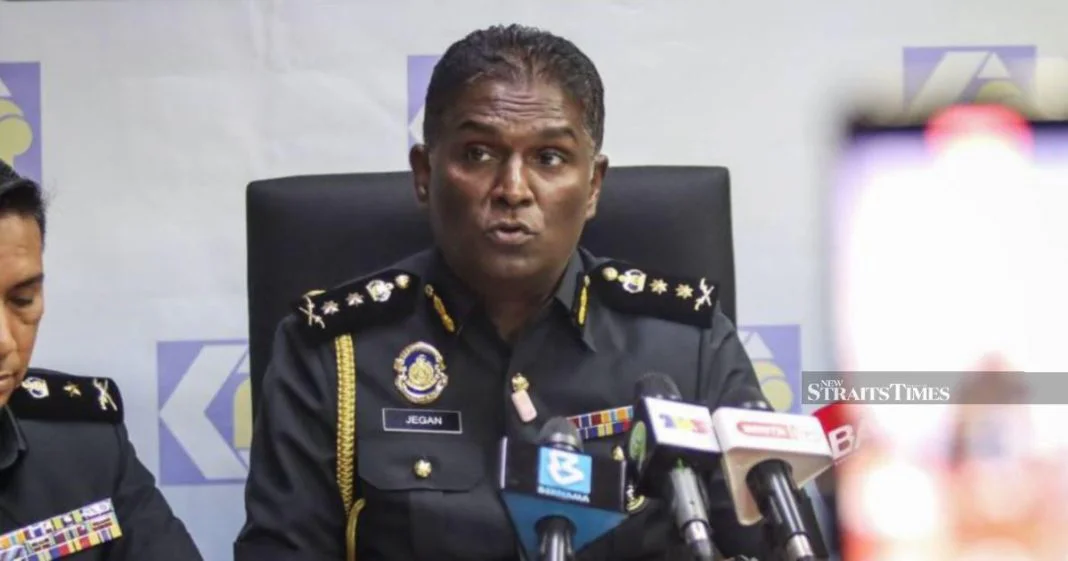
State director S. Jegan said it was too early to draw any conclusion while the technical findings were outstanding. The analysis at the Chemistry Department in Petaling Jaya could take about a month, or two to three weeks at the earliest, and any further action would rest on the laboratory results and technical evidence.
Enforcement officers on Thursday visited the Chevron depot in Prai to follow up on fuel handling at an earlier stage of the supply chain. The visit covered receipt, storage, management, quality control and distribution before fuel is dispatched to petrol stations.
Jegan said the visit did not mean the ministry had concluded that the problem began at any particular stage of the chain, or at any particular oil company. Officers were gathering facts and a fuller technical picture before any decision or further action.
Jegan said the checks run “from vessel to depot, from depot to tanker, then the petrol station and finally the consumer”. The depot supplies the northern region and Kelantan, and samples will also be taken from the depot itself. Petron draws on a different source and depot.
Depot supply manager Michael Keh said water and petrol separate over time because of the difference in their densities. “There should not be any water in our tanks,” he said, adding that underground tanks at the stations and the storage tanks at the depot are both checked, and any water found is removed. “But in this instance, we did not find any water.”
The ministry noted the oil company’s commitment to cooperate fully with the authorities, saying cooperation across the supply chain was essential to examining every aspect of fuel quality and integrity. It will continue to monitor and investigate the case on the basis of facts and technical evidence, with the Chemistry Department’s analysis among the main factors in deciding what happens next.
Consumers who experience fuel quality problems, or who hold information about them, are urged to lodge official complaints with the ministry and the oil company. Those with clear evidence that vehicle damage was caused by the fuel they bought may also file a claim with the Malaysian Consumer Claims Tribunal, subject to its jurisdiction and claim requirements.