
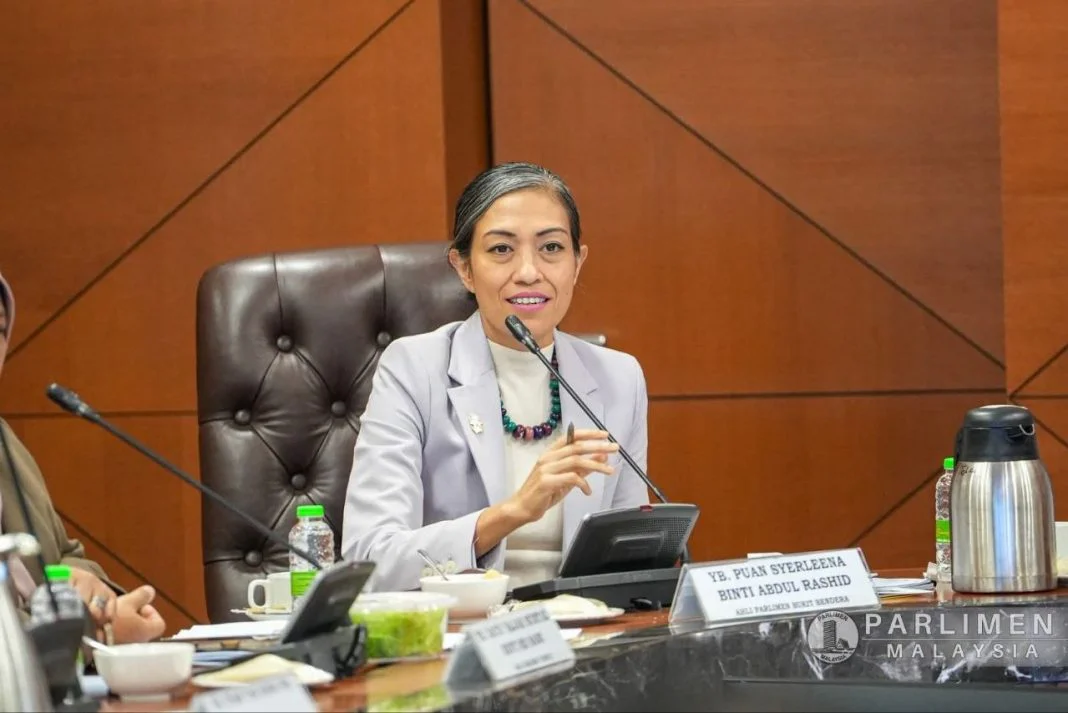
Member of Parliament for Bukit Bendera, Syerleena Abdul Rashid, has called for schools to be made safe enough that no child fears walking through the gate, after a 16-year-old student was found badly injured inside her school hall in Yong Peng and died before help arrived.
Irene Sofiya Mohd Khairool Faisal was found in the hall on 3 October. She was 16 and wanted to become a doctor, like her late mother. Her friends had made plans with her for after their examinations: to celebrate their birthdays, dress up and go out for coffee.
A student has been remanded and the police are investigating the case as murder. The motive has not been established, and Syerleena said the case should not be tried on social media. Still, she said, one fact should trouble every parent in the country: Irene went to school and never came home.
Parliament was told that 5,681 bullying cases had been reported in schools between January and August this year, covering physical, verbal, non-verbal and cyberbullying. The Prime Minister acknowledged that the real number could be higher because some cases may never have been reported. In a statement on 6 October, Syerleena said the children who should concern the country most are the ones left out of that count: those too frightened to speak, those dismissed by the adult they told, and those whose parents were assured it was only a misunderstanding between students.
She asked how many schools have worried more about their reputation than about the child asking for help.
Malaysians were shaken last year by the death of 13-year-old Zara Qairina Mahathir, who was found unconscious near her boarding-school dormitory in Sabah. An inquest into the circumstances of her death continues alongside separate proceedings involving allegations of bullying, and Syerleena said those legal processes must be allowed to establish the truth. Zulfarhan Osman Zulkarnain was tortured by fellow university students and died from his injuries in 2017. Seven years later, the Court of Appeal convicted six former students of his murder.
These cases are different, and no two school incidents share the same cause, she said. But each forces the same question: whether the adults, rules and schools around children are doing enough to keep them safe. Her answer was blunt. The country is still falling short.
The Government has increased counselling support, trained wardens, strengthened disciplinary procedures and mental-health screening, and given the police greater access to schools, with more CCTV cameras planned. Syerleena welcomed the Prime Minister’s willingness to admit that current measures are not enough, but said cameras cannot be the whole answer. A camera may record what happened. It cannot comfort a frightened child, notice a sudden change in behaviour, or ask why a student has stopped eating, talking or attending class.
She proposed that every serious complaint carry a clear deadline for action: the child placed somewhere safe first, evidence preserved, parents informed, counselling and medical support available immediately, and the police and child-protection authorities notified where a possible crime is involved. Children also need a way to report abuse outside the immediate school hierarchy, she said, because it is extremely difficult for a young person to complain when the alleged bully is a senior student, or when the person who ignored the earlier complaint is someone in authority. Schools should also publish anonymised data regularly: complaints received, cases investigated, how long schools took to respond, referrals to the police, and support given to victims.
The aim is not to humiliate teachers or to treat every school as unsafe, she said, adding that most teachers work extremely hard and care deeply about their students. The point is to support those who do their jobs properly, while those who conceal complaints or fail to protect children are held accountable.
Parents have responsibilities as well, she said. They must pay attention when a child becomes unusually quiet, angry or afraid to attend school, and listen before blaming the child or telling them to toughen up. But parents cannot be inside classrooms, corridors and hostels throughout the day. Once a child enters the school gate, the school assumes a duty of care, and that responsibility cannot disappear when something goes wrong.
Bullying is not character-building. Fear is not discipline. Keeping quiet does not protect a school’s good name. A school earns its reputation when children feel safe enough to learn, speak and ask for help, Syerleena said: “No family should have to send a child to school in the morning and spend the evening wondering why that child never came home.”