
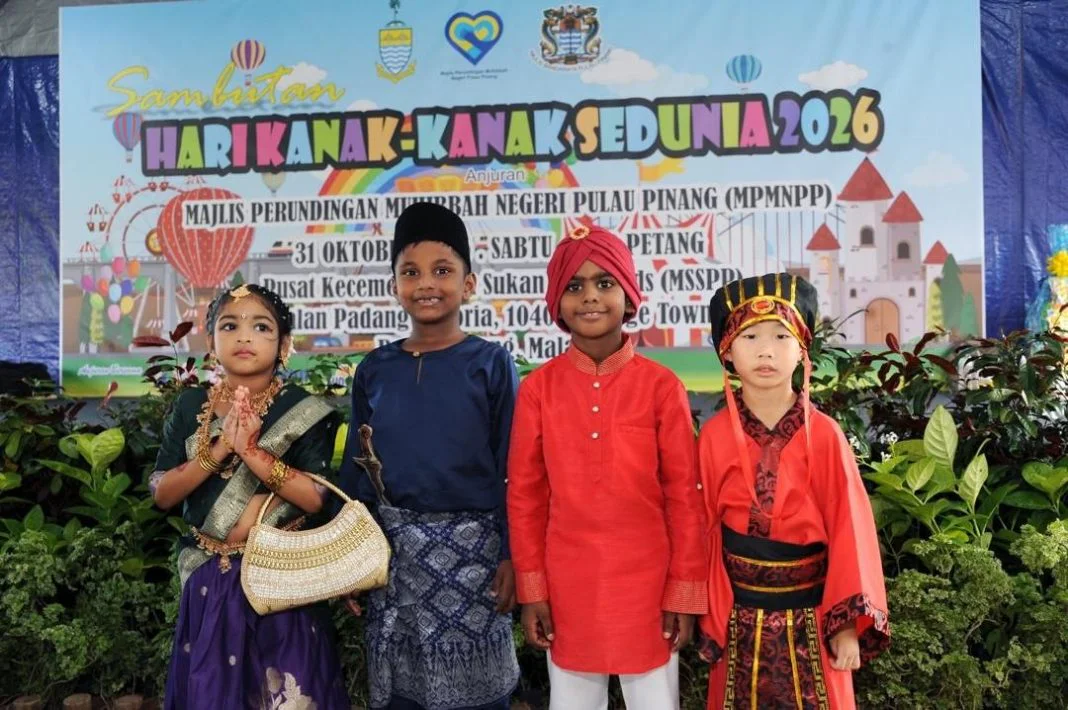
Hundreds of children from all races and backgrounds gathered for the World Children’s Day 2026 celebration in Penang yesterday.
The event was held at the Westlands Sports Excellence Centre (MSSPP). It was organised by the Penang Goodwill Advisory Council (MPMNPP) and supported by the Penang Island City Council (MBPP).
It took place on a Saturday, the last day of October, giving families a full afternoon free of school hours.
Weather stayed fine through the day, and the programme ran from the official launch into the afternoon without a break in the schedule.
The message behind the celebration was plain. A bright future begins with cross-cultural friendship, and unity holds better when children learn it early, long before they carry the habits of adults into public life.
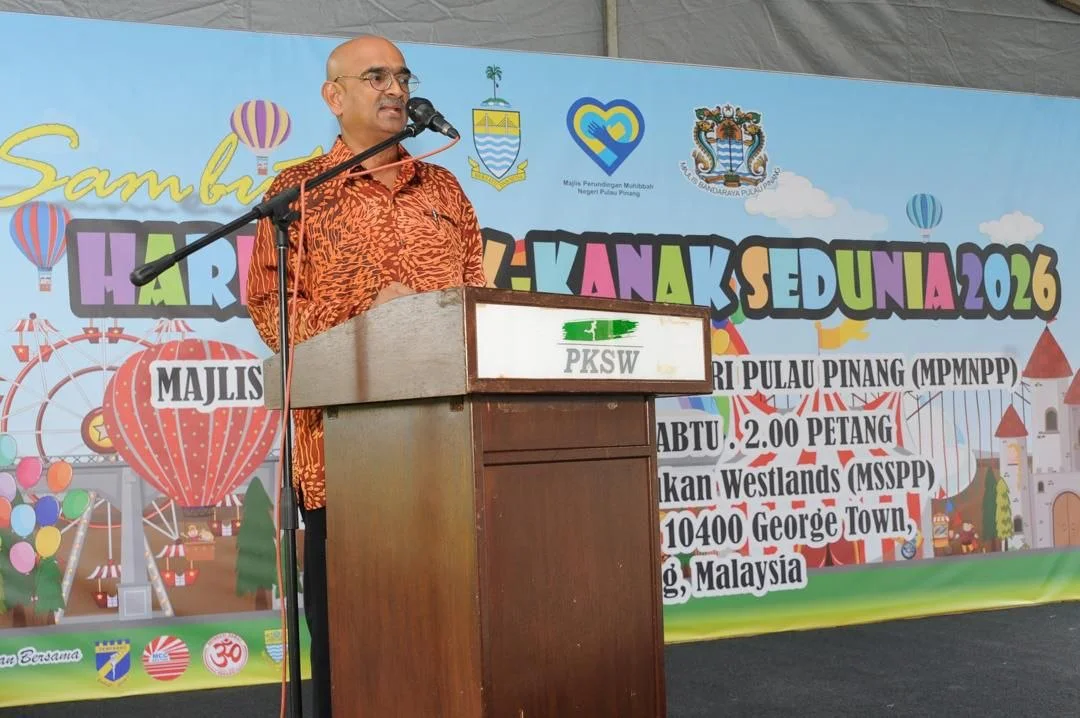
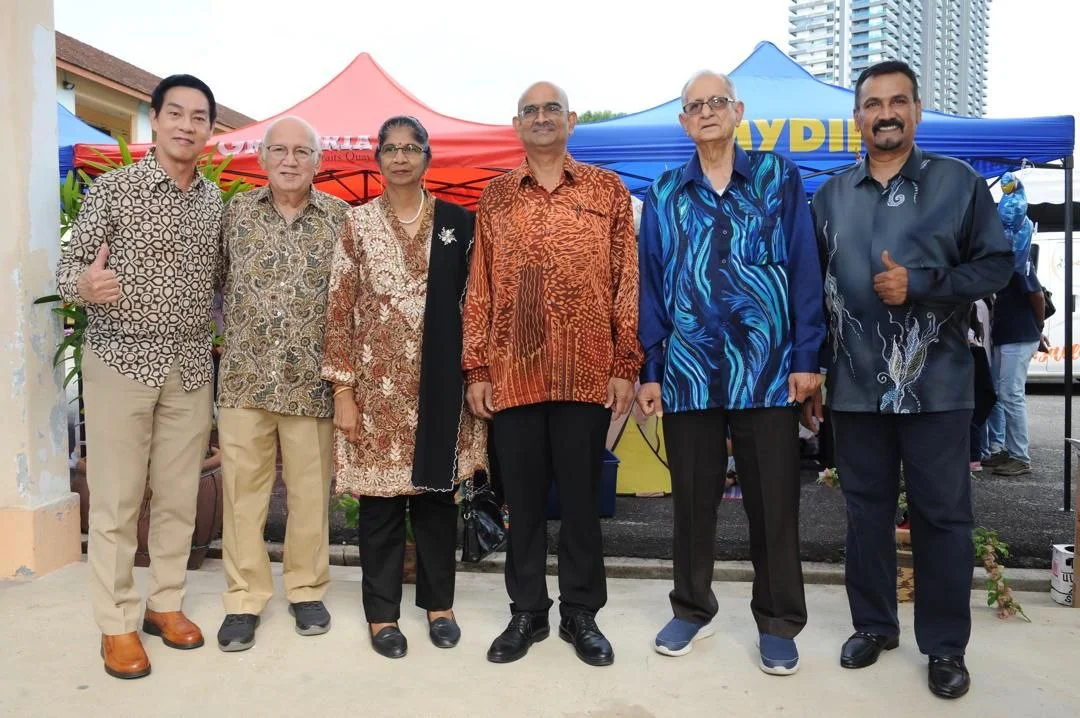
MBPP Mayor YBhg Dato’ Ir. Rajendran A/L P Anthony graced the event as chief guest. He officiated the grand launch, which opened with a festive cake-cutting ceremony and a balloon release.
The Children’s Colouring Contest came next. Young participants worked through their sheets with high spirits, and the contest gave every child in the hall the same starting line, regardless of school, language or background.
A Traditional Ethnic Costume Competition followed. Children walked out in the dress of the state’s Malay, Chinese, Indian and Sikh communities, turning the stage into a display of the diversity and multicultural heritage that Penang carries.
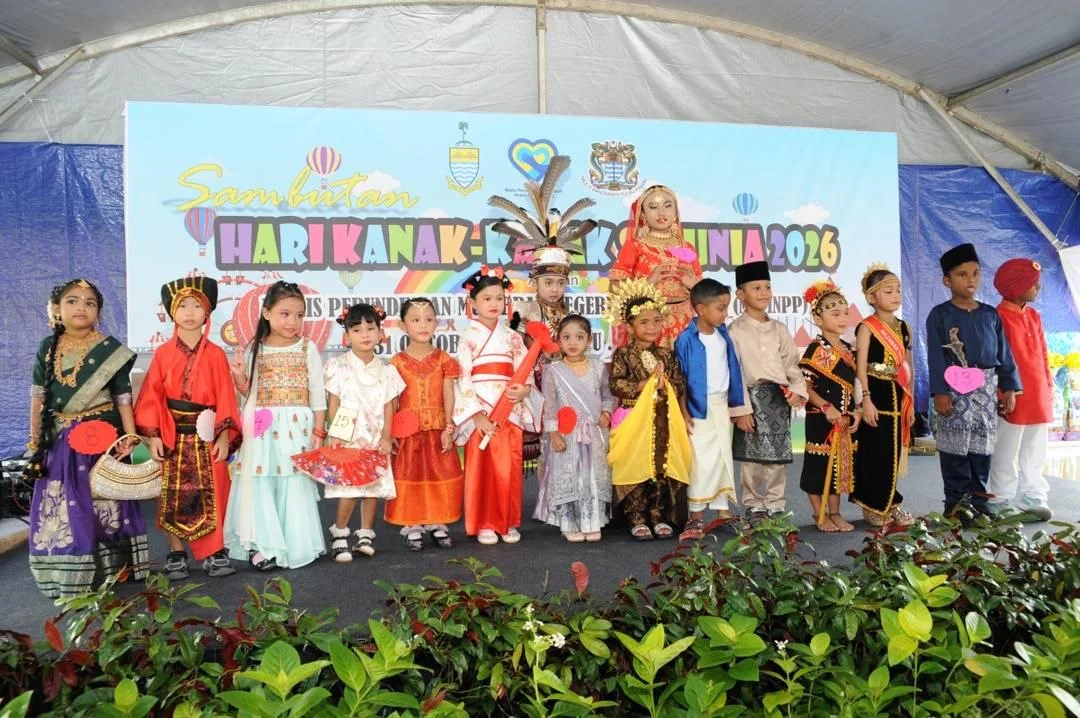
For many families in the hall, the two contests held the same idea in different forms. One asked children to make something with their hands. The other asked them to wear something of their own community and stand beside a classmate wearing something else. Neither asked them to explain the difference.
The day closed with a prize presentation for the winners. A special afternoon tea followed, with stage performances by the children themselves.
By the time the stage cleared, the hall had moved through a launch, two contests, a prize presentation and a meal, with the children on stage for most of it.
The turnout carried the point on its own. Children who filled the hall came from different schools and different homes, and they spent the afternoon on one programme, one stage and one set of activities.