
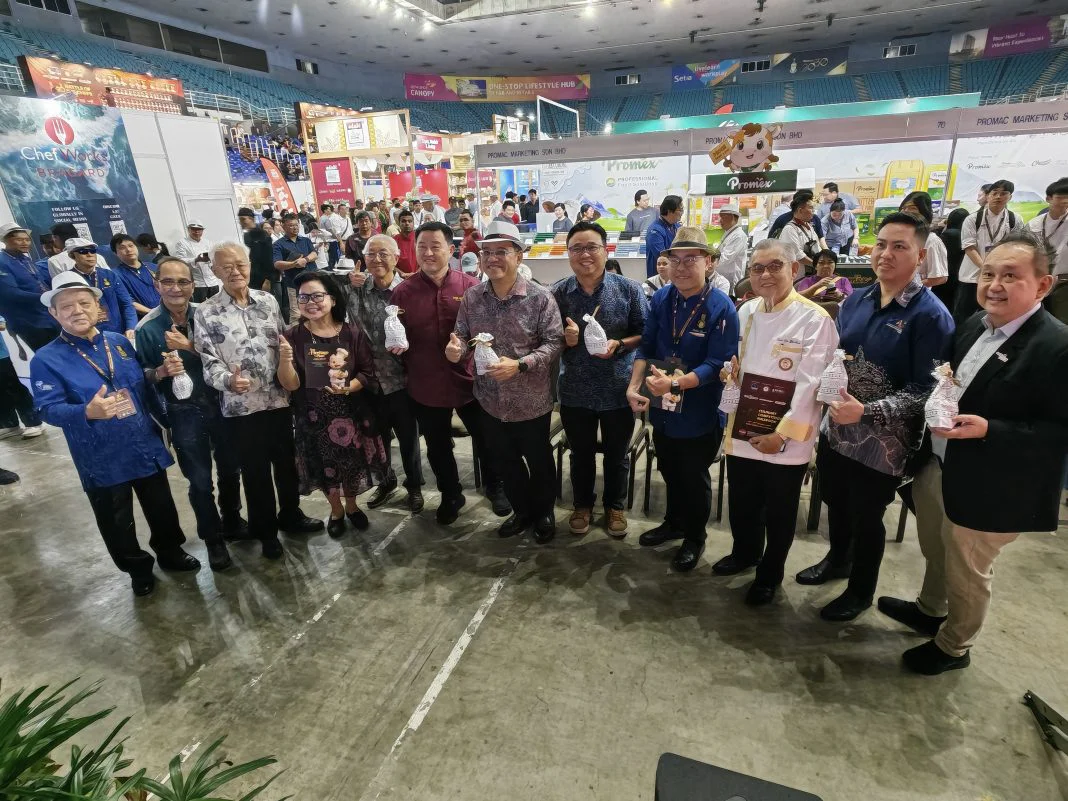
Penang’s food culture sits at the centre of the state’s tourism appeal, and the 20th Battle of the Chefs carries that message to cooks from Malaysia and abroad. The competition opened with a call to protect traditional recipes while raising professional standards.
Wong Hon Wai, Penang State EXCO for Tourism and Creative Economy, said the event celebrates cooking skill, creativity and exchange between culinary traditions. He congratulated the Penang Chefs Association and the organisers for bringing the international competition together for a 20th year.
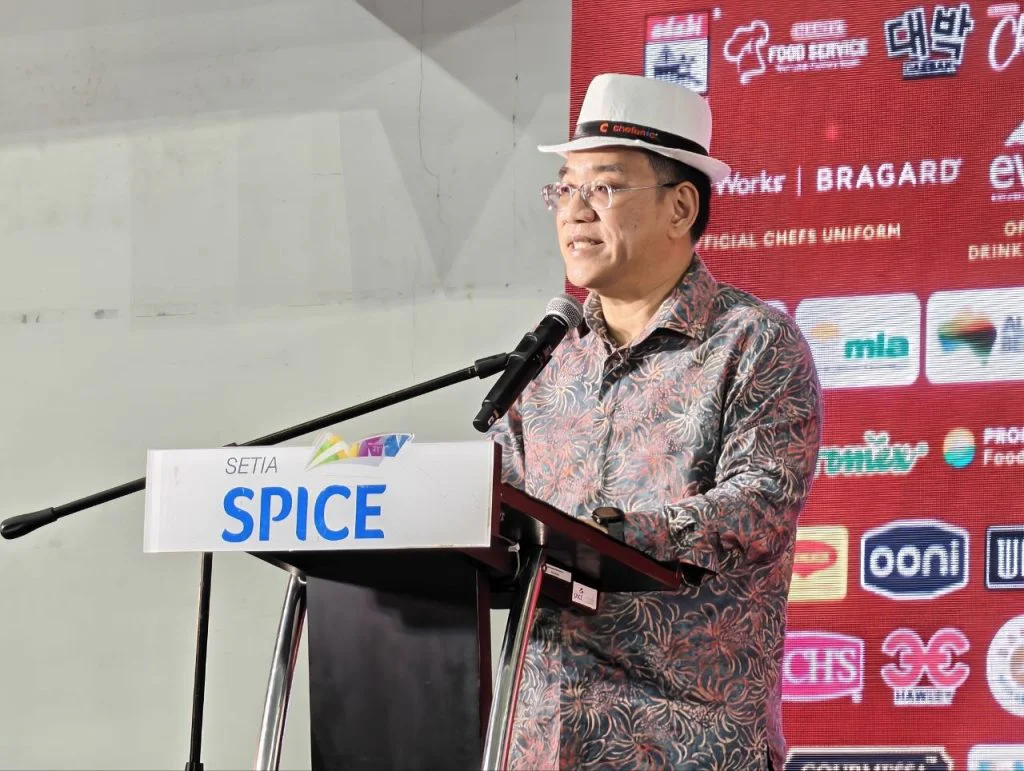
“Food is part of our identity, our heritage and our way of life,” Wong said in his opening remarks. Malay, Chinese and Indian communities, along with Peranakan, Eurasian and other groups, have passed down generations of recipes, ingredients and cooking methods that give Penang food its character.
The state took a further step in 2026 when 28 traditional food items were gazetted as Penang State Heritage under the Penang State Heritage Enactment 2011. The list includes nasi kandar, pasembor, char koay teow, asam laksa, Hokkien mee, cendol and roti Benggali. Wong said the recognition reminds Penang that traditional food is more than something to enjoy: it holds knowledge, skills and customs handed down through families.
He pointed to the everyday dishes that carry that history, from char koay teow, asam laksa and nasi kandar to nasi lemak, banana leaf rice and traditional kuih. Peranakan cooking, which draws Chinese and Malay methods together, was another example of exchange shaping flavour.
Food also marks the state’s religious calendar. Vegetarian traditions tied to the Nine Emperor Gods Festival, and the offerings prepared during Navarathiri, bring communities together through faith and family. Wong said the task is to keep those practices alive while opening new ground for cultural and gastronomic tourism.
Recognition from outside Penang has followed. In the 2026 MICHELIN Guide Kuala Lumpur and Penang selection, Penang holds two one-MICHELIN-Star restaurants, 33 Bib Gourmand establishments and 39 MICHELIN-Selected restaurants. Kuala Lumpur and Penang are the only two Malaysian destinations in the guide. Ten local food establishments also appear on Dianping, one of China’s leading dining and lifestyle review platforms.
Wong said awards alone do not explain the state’s reputation. Hawkers, family-run eateries, traditional food vendors and small businesses carry the flavours visitors travel for. The aim, he said, is not simply to draw more arrivals but to build tourism experiences that benefit local communities.
Platforms such as the MICHELIN Guide and Dianping now shape how travellers find restaurants and plan trips. A single recommendation for asam laksa or nasi kandar can lead a visitor into heritage streets, traditional markets and Peranakan kitchens. Wong said the state will keep working with tourism and food industry partners on digital storytelling so more international visitors find those experiences.
For the competition itself, he framed Battle of the Chefs as a place where cooks trade knowledge and test ideas. Young chefs and culinary students learn from experienced professionals, while established names pass on expertise.
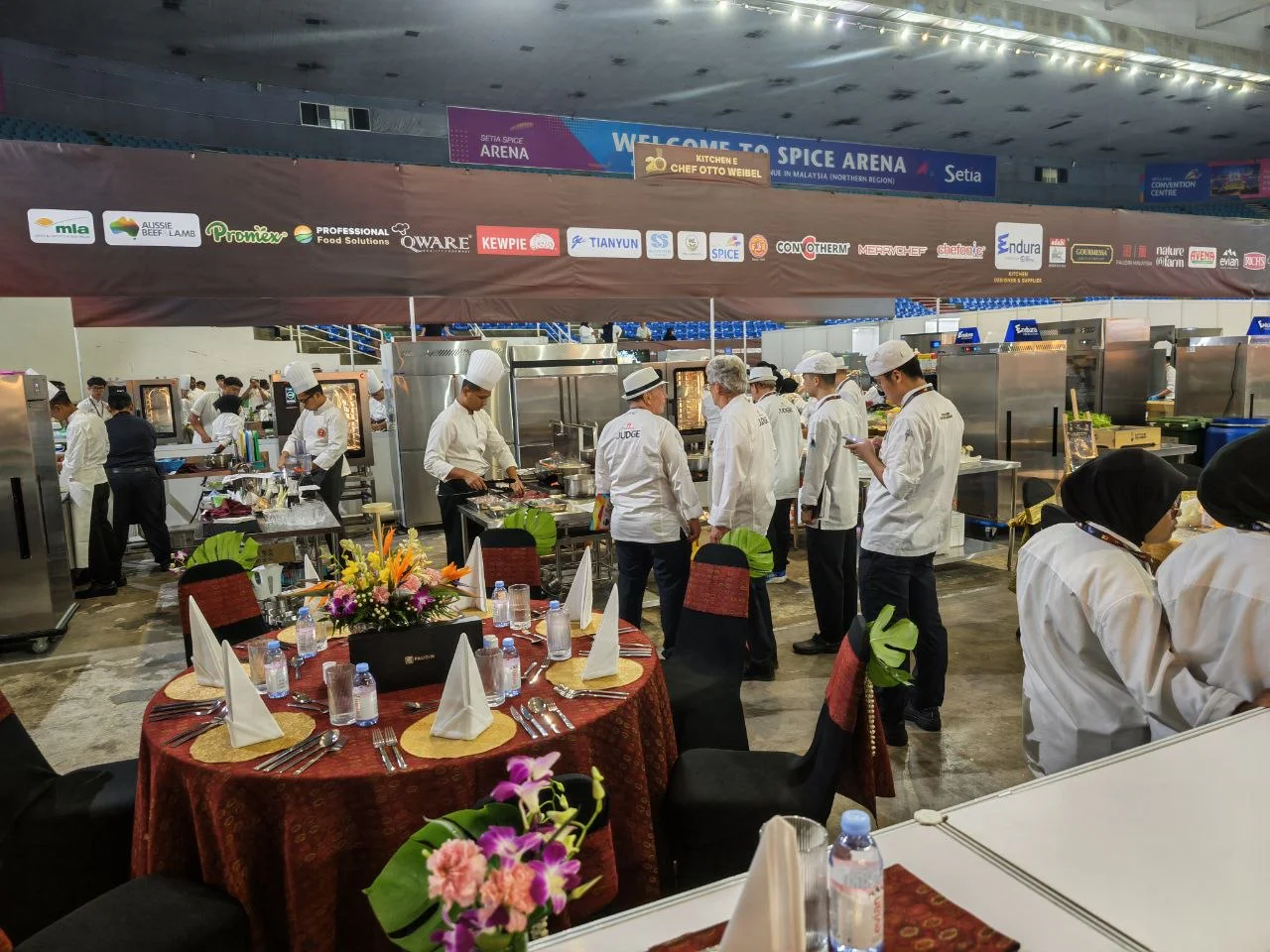
A strong food industry supports hotels, restaurants, suppliers, tour operators and training institutions, and it adds to local business growth. Wong also called for local producers to be supported, food waste to be cut, ingredients to be used with care and traditional cooking knowledge to be protected. Heritage and new technique, he said, should move together.
“You may arrive in Penang as participants, but I hope you will leave as ambassadors of our food, our culture and our state,” he said. He then declared the 20th Battle of the Chefs 2026 open.