
When Penang launched its first no-free-plastic-bag day in July 2009, the response was far from warm. Solid-waste consultant Khor Hung Teik told FMT people were cursing about not getting free plastic bags in those days.
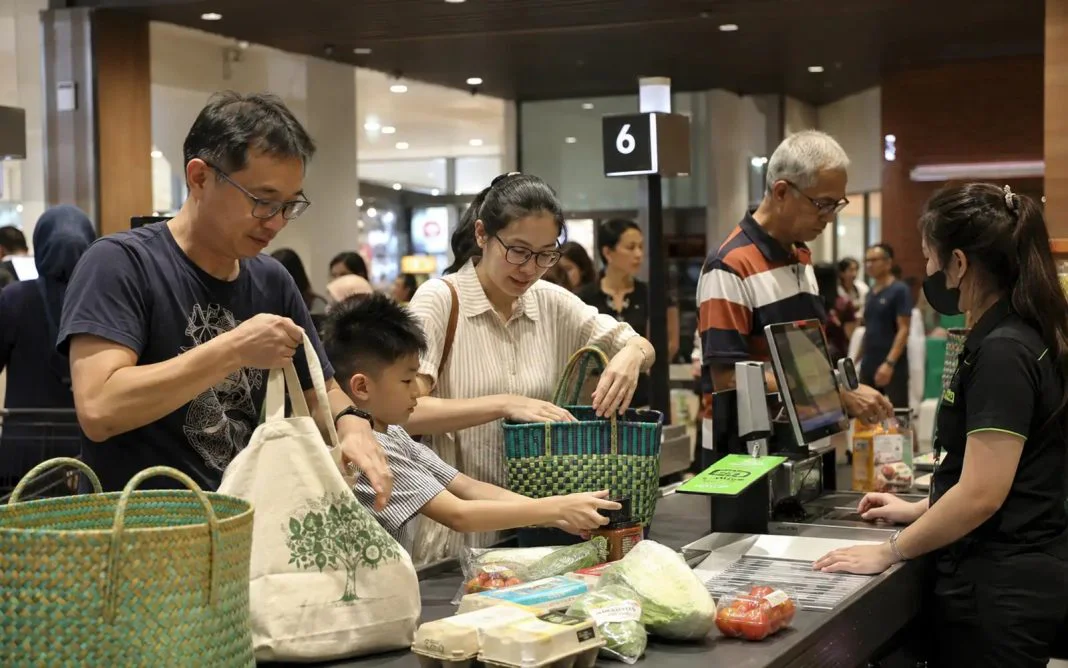
Seventeen years later, that frustration has faded into routine. Reusable bags sit folded in car boots, handbags and kitchen drawers across the state. Supermarkets, pharmacies and bakeries no longer hand out free plastic carriers, and an entire generation of shoppers has grown accustomed to bringing its own bag or paying when it forgets.
Table of Contents
A cautious start
Penang chose Mondays for its first no-free-plastic-bag day because fewer people shopped at the start of the week, reducing the risk of a major backlash. Even so, shoppers complained. Phee Boon Poh, who oversaw the policy as a state administration member at the time, remembered visiting supermarkets and listening to customers vent their frustration.
“You need to smile and swallow their criticism to show them you respect and listen to them,” he told Bernama.
The aim was not simply to take something away but to make shoppers less dependent on disposable bags. Alternatives had to be readily available. Among the earliest were bags made from illegal advertising banners collected by local councils. The banners were cut up, sewn together and distributed as reusable shopping bags. Businesses were also encouraged to produce bags carrying their own logos, turning an environmental measure into a branding opportunity.
From one day to every day
The campaign expanded from one day a week to more days, and similar efforts were later introduced across the country. In 2022, states agreed on a nationwide approach that included a minimum 20 sen pollution charge for each single-use plastic bag.
Penang took a bolder step in March 2025 with its “No Plastic Bag 2.0 Campaign,” which banned plastic bags at the majority of retail stores on any day. The state government provided a six-month grace period until 31 August to allow businesses and the public to adjust.
Salesman Leow Hock Chun, 50, told The Star it made no difference to him when the announcement was made. “I have been doing this for years, and my car is filled with cloth bags. It has become second nature to me to grab one whenever I step out,” he said.
Housewife Siti Sahara Saari, 52, echoed that sentiment. “If I forget, I do not mind buying a new one, as supermarkets do not charge much for it,” she said.
A new problem emerges
According to Penang Green Council chief executive officer Josephine Tan, demand for single-use bags declined as each new stage of the policy was introduced. But their popularity created an ironic new problem: many households now own more reusable bags than they actually reuse.
A bag meant to replace dozens of disposable ones offers little environmental benefit if it is bought, forgotten and replaced by another on the next shopping trip.
To address this, the Penang Green Council has introduced Rebag Stations at several shopping centres. People can leave surplus reusable bags there, while shoppers who have forgotten theirs can take one instead of buying yet another. The stations have proved especially useful for tourists and visitors from outside Penang.
Looking ahead to September
Penang is now preparing to go further. A full ban on single-use plastic bags at major retail and commercial premises is set to begin on 1 September. State housing and environment committee chairman Sundarajoo Somu told The Star the state “will be the first in the country to go 100% non-usage of such bags.”
Sundarajoo said the ban applies to eight categories of outlets, including hypermarkets, supermarkets, departmental stores, convenience stores, fast food restaurants, petrol station convenience stores, chain stores, as well as pharmacies and clinics. However, hawkers and wet market traders are exempt for now, as suitable alternatives for handling wet and fresh produce are not yet widely available, The Star reported.
Sixteen years after launching the country’s first no-plastic-bag campaign, Penang has accumulated more than RM19 million in fees from plastic bag charges. The funds have been returned to the state coffers for environmental initiatives, including the production and distribution of recycled bags. Some 45,000 recycled bags have already been handed out at markets and public events, out of a target of 100,000.
What once felt inconvenient has become normal. Some Penangites even find themselves explaining the habit when travelling elsewhere, Tan said, prompting conversations about why they carry reusable bags and how the policy began. That may be the campaign’s most lasting achievement: showing that consumer habits are not fixed, even when they feel deeply ingrained.