
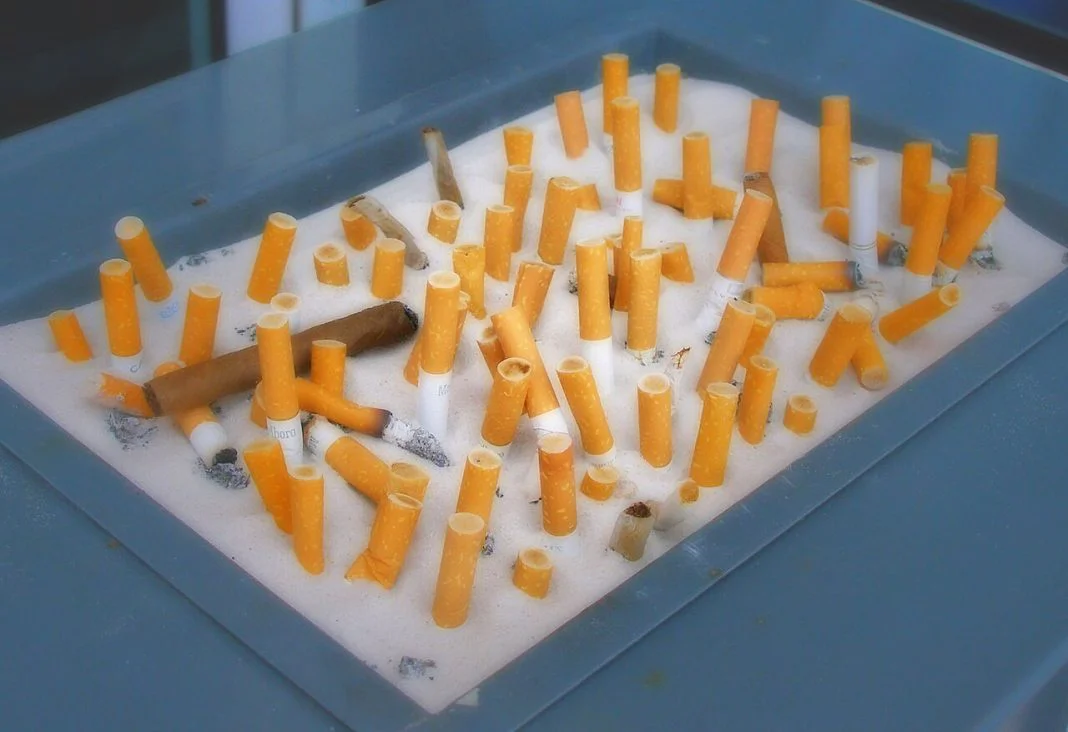
Penang’s first three Community Service Order notices all went to Jawi, and all for the same offence: cigarette butts.
The three notices were issued within the first three days of enforcement, which began on 1 July. All cases were concentrated in Jawi, South Seberang Perai. No notices have been issued on Penang Island so far.
The data reveals a pattern. The mainland’s smoking-related litter is the first target of the state’s new enforcement regime, not the Georgetown tourist spots many expected.
The Community Service Order allows courts to fine offenders up to RM2,000, order up to 12 hours of community service within six months, or both. Those who fail to comply with a court-ordered CSO face heavier fines of RM2,000 to RM10,000.
State Local Government committee chairman H’ng Mooi Lye said the notices do not mean anyone has been convicted. Every case must go through the courts before a finding of guilt.
“The notices do not mean the individuals concerned have been convicted of an offence. Every case must be brought before the court, and only the court can determine whether they are guilty,” he said.
Penang chose its own legal path for the CSO, implementing it under amendments to both the Local Government Act and the Street, Drainage and Building Act, which were gazetted on 12 November last year. The state did not adopt the federal Solid Waste and Public Cleansing Management Act 2007, which applies in eight other states and federal territories.
The state gave its two city councils six months to build the enforcement mechanism, run public awareness campaigns and set up the notice and court process before full enforcement began.
Enforcement officers are equipped with body cameras and patrol 24 hours a day. The Seberang Perai City Council has 26 body cameras while the Penang Island City Council has 170 units. Across the state, 1,822 CCTV cameras support surveillance. MBSP has 119 designated locations where offenders can carry out community service if ordered by the court.
No additional enforcement personnel have been deployed for the CSO. Existing officers carry out operations using body cameras, at no extra cost to the state.
The CSO applies equally to residents, domestic visitors, foreign workers and tourists. Parents or legal guardians are held responsible for offences committed by minors.
Among offences covered: throwing cigarette butts, tissues, plastic items, bottles and food wrappers in public places; dumping rubbish into drains; littering in parks, beaches and recreational areas; throwing rubbish from vehicles; and leaving food waste after trading in public areas.
Community service activities may include sweeping, washing, mopping, painting and collecting solid waste at designated public locations such as roads, markets, drains, beaches, bus stops, public toilets and hawker centres.