
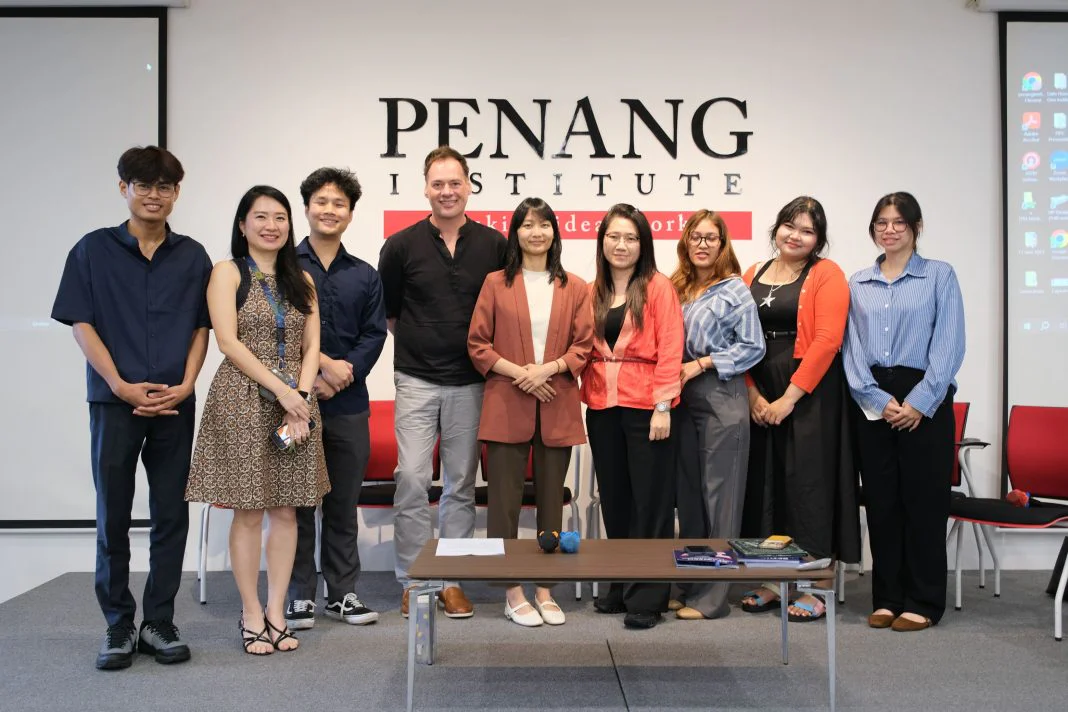
When Thai and Cambodian netizens clashed online during the 2025 border conflict, the rest of Southeast Asia watched. Most saw it as someone else’s problem. Penang Institute believes Malaysians should look again.
On 5 May 2026, the Penang-based think tank convened a public talk titled “Between Likes and Loathing”, bringing in eight researchers and peace practitioners who had spent months studying how the conflict played out in digital spaces. Their findings raise an uncomfortable question: could something similar happen here?
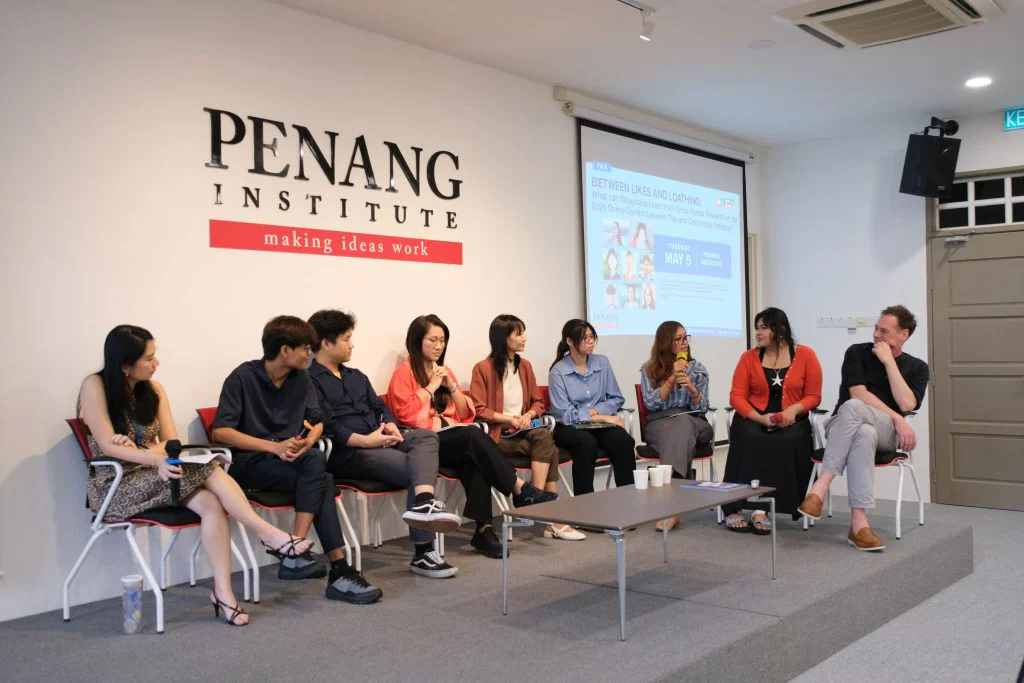
The research draws on a transnational collaboration spanning Monash University, the University of Warwick, Women Peace Makers Cambodia, Wocation Thailand and Peace Developer, a cross-border network that formed during the conflict itself. The eight speakers, Chawanrat Euafua, Phasiree Thanasin, Raymond Hyma, Rungrot Tatiyawongwiwat, Sreyrath Kong, Suyheang Kry, Vuthy Khorn and Wanvipa Marasin, came not just to report what happened, but to ask what it means beyond their own borders.
What they found was a study in contrasts. On the Thai side, researchers identified what they called “digital apathy”. Many Thai netizens knew little about Cambodia despite sharing a border, and tended to view their neighbour as less developed or as laying claim to Thai culture. Familiarity, it turns out, does not automatically produce understanding.
Cambodia told a different story. Researchers there found “digital hyper-engagement”, with Cambodian netizens investing far greater emotional energy in the online exchanges. They saw the dispute as one of identity and history, not just territory. And they questioned why a country so culturally similar to their own continued to dismiss their claims.
Both sides, the research found, were partly shaped by what they had been taught in school. Different national histories produced different grievances, and those grievances found their loudest expression online.
For Malaysia, the session was less a foreign affairs briefing and more a prompt for self-examination. The speakers were direct: this is not just a story about Thailand and Cambodia. It is a study in how mistrust and stereotyping take root in digital spaces, and how they can harden over time in any multiracial, multi-faith society navigating inter-communal tensions.
The talk also introduced Peace Developer, the cross-border network that grew out of the very conflict it studies. Its existence suggests that even in adversarial online environments, genuine cooperation is possible when people choose to build it.
Penang Institute, founded in 1997 and operating under the tagline “Making Ideas Work”, has produced research, policy briefs and cultural programming as part of its role as one of Malaysia’s foremost think tanks. This session added a more immediate dimension to that work: using a regional flashpoint to hold up a mirror to Malaysian society.